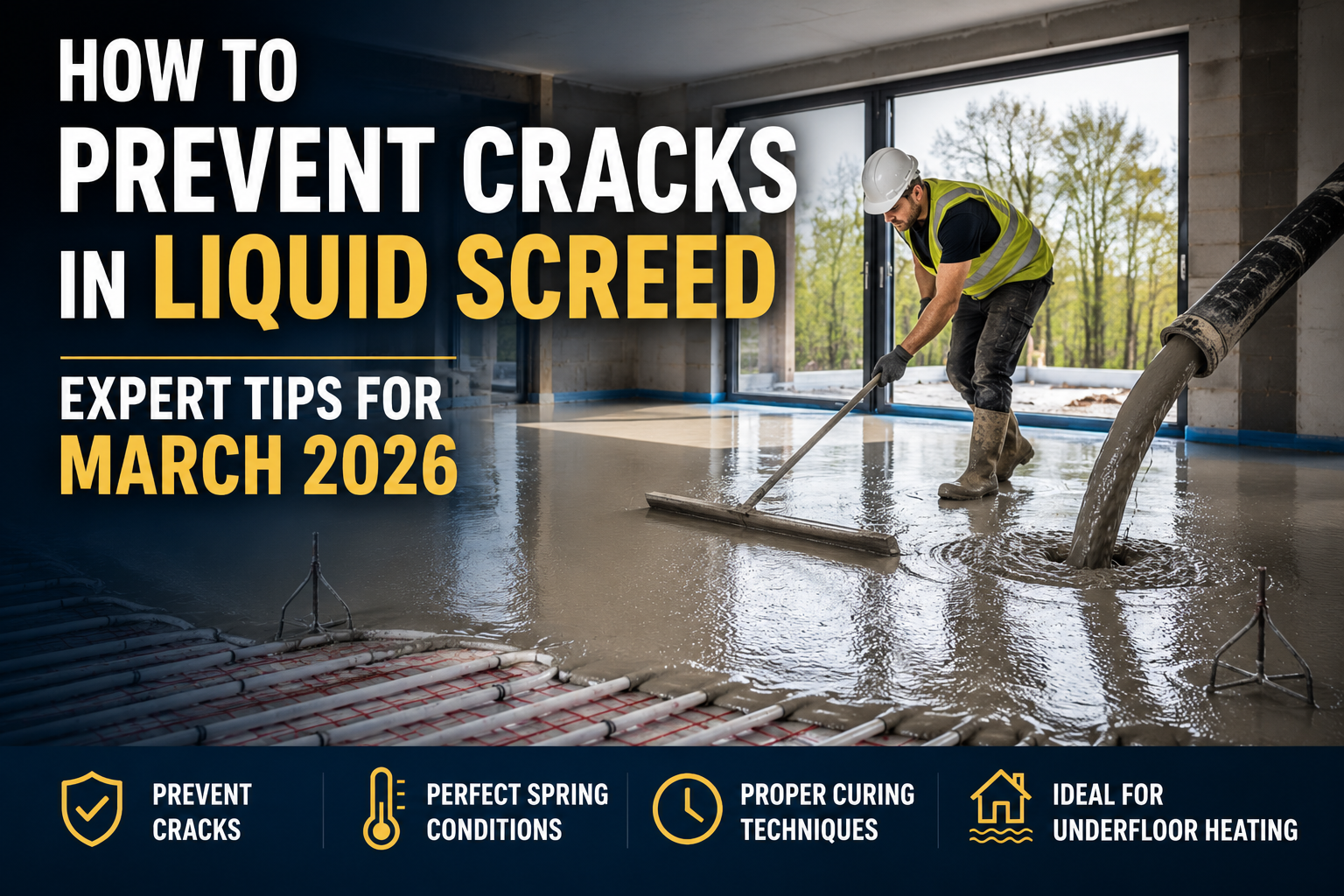
Concrete – solid, sturdy, reliable….unless it’s fresh of course!
Concrete that hasn’t been properly cured is very sensitive, and your hard work can be easily ruined by cracks and imperfections.
In order to make sure you get your smooth, strong desired finish, the experts at Mr Pump have put together this handy guide that tells you everything you need to know (and more!) about the process of curing concrete.
In The Beginning…
Once your concrete is poured, it’s going to take a week or so to prepare it for curing. During that time you have to maintain the correct temperature and dampness in order to make the curing process go as smoothly as possible.
You might be thinking that curing is a step you can skip – but if you want your finished pour to result in a top-quality finish, don’t be tempted to miss this bit out!
Curing is important regardless of which area you have concreted, but it’s especially important when it comes to horizontal surfaces. This is because the problems that can arise from not curing the concrete are going to be more obvious. Uncured slabs of concrete, whether they are plain or decorative, are very likely to develop fine cracks (known as crazing), affecting the overall look of your work. Not only that, but once you start to use that surface, it’s not going to be as strong as concrete that has been cured.
How Long Does The Curing Process Take?
About a month in total – but don’t freak out…your concrete will be ready to use in certain capacities before then. Here’s a quick timeline to keep in mind while your concrete is drying:
1. Within 24-48 hours after the concrete has initially set, you’ll be able to remove the forms and walk on the surface
2. A week after partial curing, it can withstand traffic from vehicles
3. After 28 days your concrete should be fully cured and at full strength.
This is just a rough guide; the timeframe for each project will vary depending on the weather, the concrete placement and mix, and the finishing techniques that have been used.
What Exactly Is Curing?
Curing your concrete has three main purposes:
- Improving strength and wear-resistance
- Delaying drying shrinkage until the concrete is strong enough to resist cracking
- Helping the concrete to retain moisture
The strength of your concrete is going to depend on the growth of crystals within it. If there isn’t enough water, the crystals don’t grow and the concrete won’t be as strong as it should be. But it’s not just about hydration; another important part of the curing process is maintaining a temperature that isn’t too hot or too cold. The hydration reaction of fresh concrete slows down when it gets too cool.
Unsurprisingly, concrete that gets too hot has the opposite problem. In this instance, the hydration reaction goes too fast, causing temperature differentials and leading to cracking. It’s also going to cause strength issues. When cement reacts too quickly, there isn’t time for the crystals within to grow properly, so your concrete isn’t going to develop as much strength as it should.
So, How Exactly Do You Cure Concrete?
Put simply, there are three ways to cure concrete:
1. Adding water to the surface in order to replace the water that is evaporating
2. Sealing the concrete to prevent the water from evaporating in the first place.
3. Both.
There are several curing methods that can be used and these include:
Water Cure
This is when the concrete is flooded, ponded or mist-sprayed and is considered the most effective method for preventing water evaporation.
Concrete that is water cured for 7 days is going to be about 50% stronger than uncured concrete. If you’re pushed for time, you can water cure for 3 days. This will give you about 80% of the benefits you’ll get from curing for the full 7 days.
Water Retention
You can use coverings such as sand or canvas that are kept continuously wet.
Paper Or Plastic Film Seals
As soon as the concrete is hard enough to resist surface damage, you can apply a waterproof paper or plastic film seal. It’s worth knowing that a plastic film could cause discolouration, so if aesthetics are important, you might want to avoid it.
Chemical Membrane
When your concrete is finished you can apply a chemical membrane instead of a waterproof paper or plastic alternative.
Achieve all of the desirable properties of concrete with proper curing to get the very most out of your concrete pour. You’ll be very glad you did!